

What to Look For in a Professional Espresso Machine
You'll need a machine that can control the pre-infusion, which is essential to develop flavor and aroma. PID temperature control is also a feature that many coffee experts search for in an espresso machine that is professional.
If you're planning to hire baristas who have no experience, you'll need a machine that is easy to operate and easy to instruct new staff members on. This is important when you are planning to operate an open-air coffee shop.
Easy of Use
This professional espresso machine, as you might have guessed by its name is designed to be simple to operate and maintain. It has an integrated grinder that automatically grinds fresh coffee beans right into the portafilter, digital temperature control to guarantee optimal extraction and the manual steam wand that is used for creating microfoam, ideal for making coffee art. It also comes with a test strip to help you determine the hardness of your water and an AquaClean filter to reduce scale buildup.
It is a great choice for home baristas since it offers a balance between automatic and manually operated operation. You can pull a shot of espresso like a professional (although there is a slight learning curve). The built-in grinder lets you to play around with the grind size to tweak your process. Additionally, the steam wand manual can be used to create frothy lattes and cappuccino milk. The machine also has an easy-to-clean dishwasher-safe milk hopper to make cleaning up after each use easy and easy.
It's important to note that even though this model is primarily designed for home use however, it comes with some advanced features that differentiate it from other espresso machines that are designed for professional use. For instance, it has dual boilers that permit the brewing and steam functions to be heated separately, so each function can be maintained at the exact temperature you want. McCarthy states that by doing this, the espresso is extracted using the right pressure (which can vary between 4 bars and 14-16 bar at the end) and minimizes the risk of overextraction.
In addition, the machine has a "proportional-integral-derivative" or PID control that monitors and stabilizes the boiler or thermoblock temperature more accurately than a simple electromechanical thermostatic switch. This leads to more consistent shots, as well as an earlier recovery time between each cup of espresso.
You should also consider machines that is able to be opened for routine maintenance or repairs. Espresso enthusiasts are often interested in the internal workings and mechanics of their equipment. This is particularly important when it comes to a machine that is likely to be frequently used, since frequent use can cause components to wear out. For instance the espresso machine we tested could be opened to replace the drip tray and brew basket for quick and easy cleaning.
Cleaning is a breeze
It is essential to keep the interior of an espresso machine that is professional clean. Coffee oils, used coffee grounds, and water minerals can accumulate over time, impacting the quality of the final cup of espresso and overall performance of the machine. Regular cleaning can eliminate these contaminants and ensure a consistent water flow and extraction pressure.
Utilizing a specially-designed group head cleaning brush with bristles that can reach into crevices, you can assist in removing stubborn residue. Regular use of a cleaning product can aid in breaking down and dissolve coffee oils, ground particles and other contaminants. Additionally, some espresso machines require regular backflushing. Coffeee involves blocking the portafilter by blind filters and pushing water back through the system to clean the shower head, group head screen and valves. Using the right tools and following the manufacturer's instructions for backflushing can increase the overall cleanliness of your espresso machine and maintenance.
For frequent espresso users, a reusable group head cleaning tool can make regular maintenance much easier. These reusable brushes are available in different shapes and sizes that can effectively clean different components of the machine, including valves, ports and gaskets. They are typically made of stainless steel and come with a small holder for the cleaning solution, that is easy to refill or fill whenever needed. Some tools even have an in-built reservoir for storing the cleaning solution when not being used.
Descaling solutions improve the performance of espresso machines as well as their ease of use especially when utilized in high-volume settings. These liquid descalers get rid of calcium and limescale that block and impair water flow and decrease the overall taste of espresso. Users can either soak parts or backflush the system using these products, which are more effective than citric acid cleaners in eliminating mineral buildup.
Take into consideration the features that matter most to you and your business when choosing the most suitable espresso machine. For instance, if want to be able to customize your water temperature and brew size for certain beverages, you might prefer an espresso maker that is manual with more flexible settings. If you are a casual espresso-drinker and want to enjoy a great cup of coffee at home in a comfortable way, a semiautomatic espresso maker or fully automated espresso maker might be the best option.
Easy Maintenance
The type of espresso machine you have will determine the ease to maintain. Some machines require more manual labor while others are less demanding. It is evident by studying the degree of automation. Espresso/cappuccino machines fall into three categories: semi-automatic fully automated, and super-automatic. A semi-automatic machine gives the barista control but not much automation. Fully automated machines require less involvement from the operator, but still requires the operator to grind and then tamp before pulling the shot. A super-automatic machine is fully automated, preparing espresso drinks and espresso-based drinks using one button press.
If you're considering purchasing semi-automatic or fully automated professional espresso machine, make sure to consider the amount of customers your business anticipates serving at peak times. This will help you decide what size of a commercial espresso machine to purchase. For instance, if you expect to serve 120 drinks between 8 to 10 AM, you'll want to buy a semi-automatic machine with enough capacity to keep up with the flow of orders.
You'll need to determine when you'll need to descale your machine. Some manufacturers suggest descale your coffee machine at least once every week with warm water and vinegar. If you don't descale regularly your machine, it may develop problems like clogging and a different flavor.
Many of the most sophisticated espresso machines available come with a dual boiler system, with one boiler to brew and another for steaming. This allows the steam wand as well as the group head to be heated at distinct temperatures, allowing you to continue to steam drinks while your shots are being made. This is particularly useful for cafes with a lot of customers who need to serve many different kinds of coffee and cappuccino.
Some of the other features you can get on a higher-end espresso machine include a hot water dispenser as well as an automatic rinse cycle, and user preferences that can be programmed for the type and amount of coffee or cappuccino that you make most often. These features can help you save time and money in large-scale settings where consistency is crucial. You may also find coffee grinders built in the machine or attached to it, and the nozzle that can be used to serve hot or frothed milk.
Repair Ease
When it comes to a commercial espresso machine, the durability and ease of maintenance are key factors. Commercial espresso machines are built to withstand the rigors of heavy use and are constructed from durable materials. They are also more likely to be covered by warranties and other protections against damage. Espresso machines at home are typically made of cheaper materials and are prone to break more easily.
In addition, many commercial espresso machines must be UL listed and have an NSF seal to be in compliance with standards of the health department as well as building regulations. These requirements ensure that the equipment is safe for both employees and customers. This is particularly true for espresso machines which produce a significant amount of drinks. It is also crucial to choose a machine that makes use of stainless steel or other FDA-approved materials, because they won't release chemicals into the coffee.
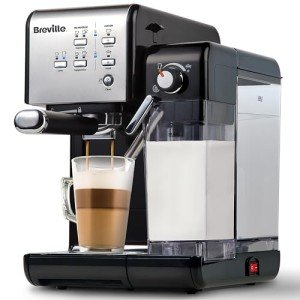
There are various types of professional coffee machines, like semi-automatic or fully automatic. Each machine type has its particular advantages and disadvantages but all are built to make delicious coffee.
A manual espresso machine requires the barista to generate the pressure using their own hand and arm which can be a challenge to master. These machines aren't as popular and can be difficult to locate replacement parts for in the case of malfunction.
Semi-automatic espresso makers can be a good compromise for those who want to maintain control over their machines, while ensuring consistency. The barista has to grind and tamp the beans, but the pump controls water pressure and temperature to avoid over-extraction.
Fully-automatic espresso machine models are similar to semi-automatic models. However they also can dispense steam and hot water at the touch of the button. This helps save energy and time, and allow for greater production capacity.
It is essential that your staff members know how to use the espresso machine, no matter what type you choose. This will enhance the quality of your coffee as well as its effectiveness. It may take a while for new staff members to master how to properly grind, tamp and extract shots however, this investment will pay off in the long run by ensuring your customers get a consistently great cup of espresso.